

Nurturing a Generation of Confident Voices
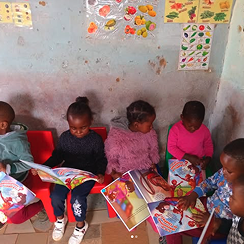
We all want children to thrive – to find their voice, claim their worth, and protect themselves through confident communication. Sadly, we live in a world where far too many girls and boys are harmed because their silence is mistaken for weakness. A child who cannot say "No", is often treated as if they don't matter. A child who hesitates to speak up can become a target for bullies, abusers, or predators who simply assume their victims will remain silent.
The silence of our youth isn't just a language problem; it's a communication power problem largely driven by fear.
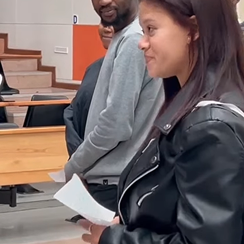
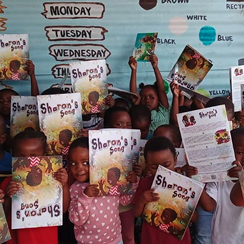
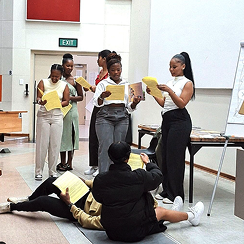
At STEPi, our seminars address our youth’s dwindling confidence by reviewing the interactions between young children and the influential adults in their lives and reflecting on the impact of these moments of engagement – however brief these may be – on the healthy development of growing minds.
The young child’s ability to frame internal dialogue in a manner that emanates kindness, self-respect and encouragement, is a vital skill to build confidence and achieve success in life – be it emotionally, socially, academically, or spiritually. That said, children depend on adults to create and sustain loving environments that fosters their courage to voice thoughts with confidence, embrace their vulnerability by sharing feelings openly, and establish healthy inner voices that relay encouraging messages like:
- "I am loved"
- "My boundaries should be respected"
- "I matter"
- "My voice deserves to be heard"
When modelling the skill of positive self-talk and verbalising self-affirmations in the presence of children; parents, teachers, guardians, and community members are key contributors towards building strong, confident future generations who are willing to speak up to injustices.
Instilling a Willingness to Communicate (WTC)
Willingness to Communicate (WTC) asks a simple, yet profound question: "How often will I choose to speak up, question, answer, defend, and ask for what I or others need?"
A child with a low WTC will often freeze in dangerous moments because they have had little practice in everyday conversations, discussions, arguments, and debates on how best to respond if they find themselves within uncomfortable situations. As a result, children with a low WTC are less likely to have the courage to raise their voices to establish boundaries, disagree with others, remain assertive in the presence of peers, or ask for assistance during a crisis.
Children with a high WTC on the other hand, aren't necessarily loud or rude. Instead, they are confident, present, assertive, and aware. They make eye contact, know how to firmly say "No, I don't want that", and can seek help or question things when their senses alert them to things feeling wrong. They can confidently speak with police, teachers, strangers, doctors, and peers.
WTC is a developmental skill, not a personality trait, meaning we can teach it to any child. It may be one of the strongest predictors of whether a child feels listened to, respected, able to study without fear, safe, valued, and loved.
Practicing Positive Self-Talk
Every act of communication begins long before words reach the mouth. It starts with the inner voice.
A child's inner voice reflect the beliefs they hold about themselves. Children with strong inner voices hold valuable beliefs like:
- "I deserve respect"
- "I have permission to speak"
- "I know what I want and don't want"
- "I can say no"
- "My safety comes first"
- "The safety of others matters"
- "I will not be indifferent to others"
As the saying goes, "The opposite of love is not hate; it's indifference" - doing nothing when something should be said or done.
When a child replaces shame-based or fear induced self-talk with strength-based self-talk, their body language transforms entirely. They stand taller, their eyes lift, their tone becomes firmer, and their very presence declares: "I matter". This alone is a powerful preventative measure. Abusers and bullies typically avoid confident, assertive children who project an aura of readiness to speak up. In this way, positive self-talk isn't just a psychological tool, it's a vital skill to prioritise personal safety.
Teaching with Love and Leading by Example
A child who knows their worth, stands tall, says "No" with confidence, and speaks with faith and clarity is far less likely to be harmed.
Remembering that children learn and adopt behaviours by observing adults, it's worth reiterating the crucial responsibility adults have of raising children who:
- Love themselves
- Live by strong values
- Trust their intuition
- Speak with clarity
- Protect their bodies and spirits
- Understand justice and fairness
- Communicate assertively
By actively fostering a child’s willingness to communicate and nurturing their inner shield of positive self-talk, we empower them with essential life skills that extend far beyond preventing harm. We equip them to navigate the world with resilience, build healthy relationships, advocate for themselves and others, and contribute positively to society.
Our collective commitment as parents, teachers, guardians, and community members to model respect, listen attentively, and celebrate their burgeoning voices is the greatest investment we can make in their future – creating a generation that not only thrives but also protects itself and inspires change. Let us commit to building loving environments where every child feels heard, valued, and courageously confident in their ability to communicate.
Written by Paul H. Sutherland (STEPi Chairman & Founder)