
The Yes I Can Women
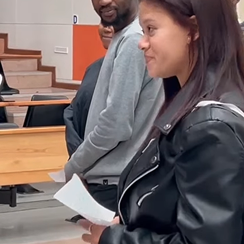
I recently saw a clip of Tyla receiving an award at the SAMAs. During her speech, she chose to share the spotlight with fellow artists, calling them on stage, acknowledging how they formed part of her success. Tyla's act of kindness and selflessness has since been the talk on many platforms, with others deeming it a strategic move, a kind one nonetheless, and others pinning it to her visible grounded and friendly nature. For me, what was equally astonishing was how she didn't follow the norms when accepting her award. She simply was. This led me to think of all the women I know.
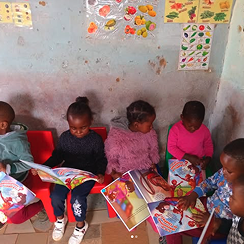
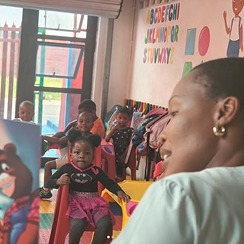
The women I know and those I meet regularly do not ask for permission or negotiate for roles; they simply act. They understand the struggle of women’s liberation and empowerment to be a relay, where they pick up from where those who preceded them left off. I think of the women in Phumlamqashi, a budding community with no resources and cannot get government assistance due to the exclusion of informal structures, and yet these women start ECD centers because they understand the importance of education and value it. They are not surrounded by armed responses and electric fences; when crime occurs, a pot and iphini (porridge wooden stirrer) are all they have to gather other women and deal with the situation head-on. They have little and yet have mastered being a community and a Happy one at that. They don't wait to be recognised in prestigious events; they celebrate themselves and are content. I see these women everywhere, from Rethabile in Gabarone, Botswana, who juggles daily long shifts, raising a 2-year-old single-handedly and getting her Master's degree. To Leyla and Elizabeth in Tweespruit and Koot Niemann, Free State, who go above and beyond to ensure that children in their disadvantaged and unpopular communities are not limited to what the community can provide. The real story of Nokubonga "The Lion Mama" Qampi in Eastern Cape who overpowered 2 men who were gang raping her daughter. I think of a woman e-hailing driver who was hailed by South Africa for calmly navigating a robbery. She not only saved her life but brought the man back to his senses, and he felt ashamed of his act.
These are the women of our times, they don't dwell on pity, they don't negotiate, they show up because they know they can. On the same breath, there is a vast, growing definition of 'imbokodo', and it is that the rising of women does not have to be founded on hardships and strife. Women can be imbokodo simply by choosing to celebrate their femininity, knowing their worth and having a voice. The common thread in all these women is that they can.
South Africa is geared towards being a fair country for all, and while we can see triumph on the horizon, let us continue to be inspired by the resilience, the discernment and the strength of these women because no one is exempt from challenging seasons.
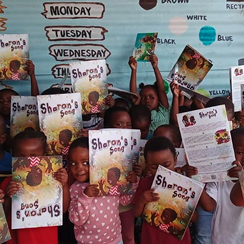
Our young girls must hear these stories repeatedly so that the 11yr old Leanne, growing up in Koot Niemann, can believe that she will be a fashion designer that she dreams to be and nothing can stop her. In this way, stories like Amani The Boda-boda rider and Sharon’s Song become an emphasis on what is already familiar to them, and therefore they can relate to these characters in various ways and be more inspired by them. Our young girls need to have role models like these women to know that there's a better and dignified way to live and accomplish the best.